
Vietnam–EFTA FTA: prepare the freight file, but do not claim preferences yet
Vietnam and EFTA have concluded FTA negotiations, but tariff preferences are not yet in force.
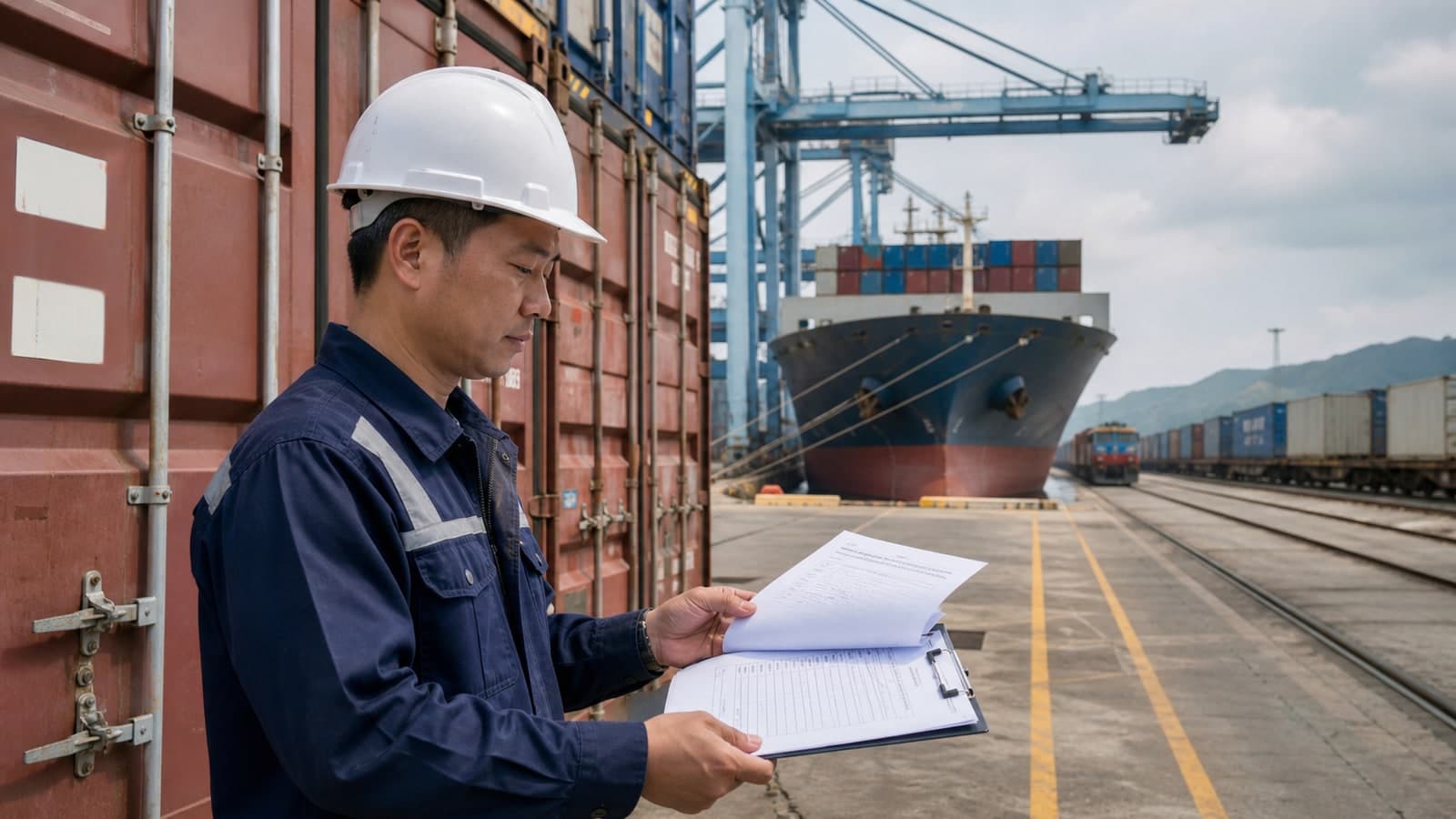
Vietnam and the European Free Trade Association (EFTA)—Iceland, Liechtenstein, Norway and Switzerland—announced the conclusion of negotiations on a comprehensive free-trade agreement on 2 July 2026. This is a negotiation milestone, not a customs go-live date.
The practical message for Vietnam importers, exporters and freight teams is simple: prepare the data and documents that may be needed, but continue using today’s applicable tariff treatment until the agreement is signed, ratified as required and an official entry-into-force date is published.
What is verified
EFTA says bilateral merchandise trade reached EUR 4.8 billion in 2025 and Vietnam recorded a EUR 2.5 billion surplus; Swiss gold trade is excluded from those figures. EFTA’s leading exports to Vietnam included electrical machinery, fish, pharmaceuticals and mechanical machinery. Its leading imports from Vietnam included electrical machinery, footwear and apparel, and mechanical machinery.
The official chapter factsheet says that, once the agreement enters into force, EFTA states will maintain zero customs duties on originating industrial products, fish and other marine products from Vietnam. Vietnam is expected to eliminate duties on the vast majority of originating industrial and seafood products from EFTA over no more than 11 years. Some agricultural concessions would be phased in over as long as 16 years.
The negotiated origin system is also operationally important. The factsheet says Vietnamese exporters would use a Certificate of Origin, while EFTA exporters would use an origin declaration. Product-specific rules, tariff schedules and the final legal text must still be checked before any preference is claimed.
Concrete impact on Vietnam freight and trade
There is no verified immediate change to customs duty, freight rate, sailing schedule or cargo acceptance. The near-term impact is a documentation-readiness task.
For Vietnam exports in electrical goods, machinery, footwear, apparel and seafood, teams can begin mapping HS codes to bills of materials, supplier declarations and production records. For imports such as machinery, fish, pharmaceuticals and electrical equipment, buyers can ask EFTA suppliers whether they can produce the future origin evidence described in the agreement.
This preparation matters to freight execution because origin eligibility must travel with the commercial file: exporter, importer, customs broker and forwarder need consistent HS codes, goods descriptions, invoice data and supporting records. A negotiated tariff opportunity is not usable if the origin file is incomplete.
A five-step readiness check
- Build a shipment list by EFTA destination or origin, product and HS code.
- Preserve supplier and production records that may support origin.
- Separate confirmed current duties from provisional future savings scenarios.
- Do not place an EFTA preference claim on customs documents before official implementation instructions exist.
- Monitor Vietnam’s Ministry of Industry and Trade and EFTA for the signed legal text, tariff schedules and entry-into-force notice.
Confidence and uncertainty
Confidence is high on the conclusion date, trade figures, covered subjects and the structure described in EFTA’s official factsheet. Uncertainty remains material on the signing date, ratification timetable, entry-into-force date and final shipment-level eligibility. Those items were not published in the official sources accessed on 17 July 2026.
Booking by John can help turn a future trade-policy benefit into a shipment-ready document checklist. Until implementation is official, plan carefully and declare conservatively.
Turn this guidance into a shipment check
Use the relevant commercial route or Vietnam handling service below, then send the real shipment details for a current option. Rates, space and transit plans are checked against the live requirement.
Official and editorial sources
Need an updated freight quote?
Send John your cargo details and preferred route. He will help check the best practical option.
Get a Freight Quote