
Incoterms 2020 for Vietnam Exports: FOB vs EXW vs FCA vs CIF Explained
Compare where delivery and risk transfer under FOB, EXW, FCA and CIF, who arranges carriage and insurance, and what Vietnam exporters and importers should confirm before booking.
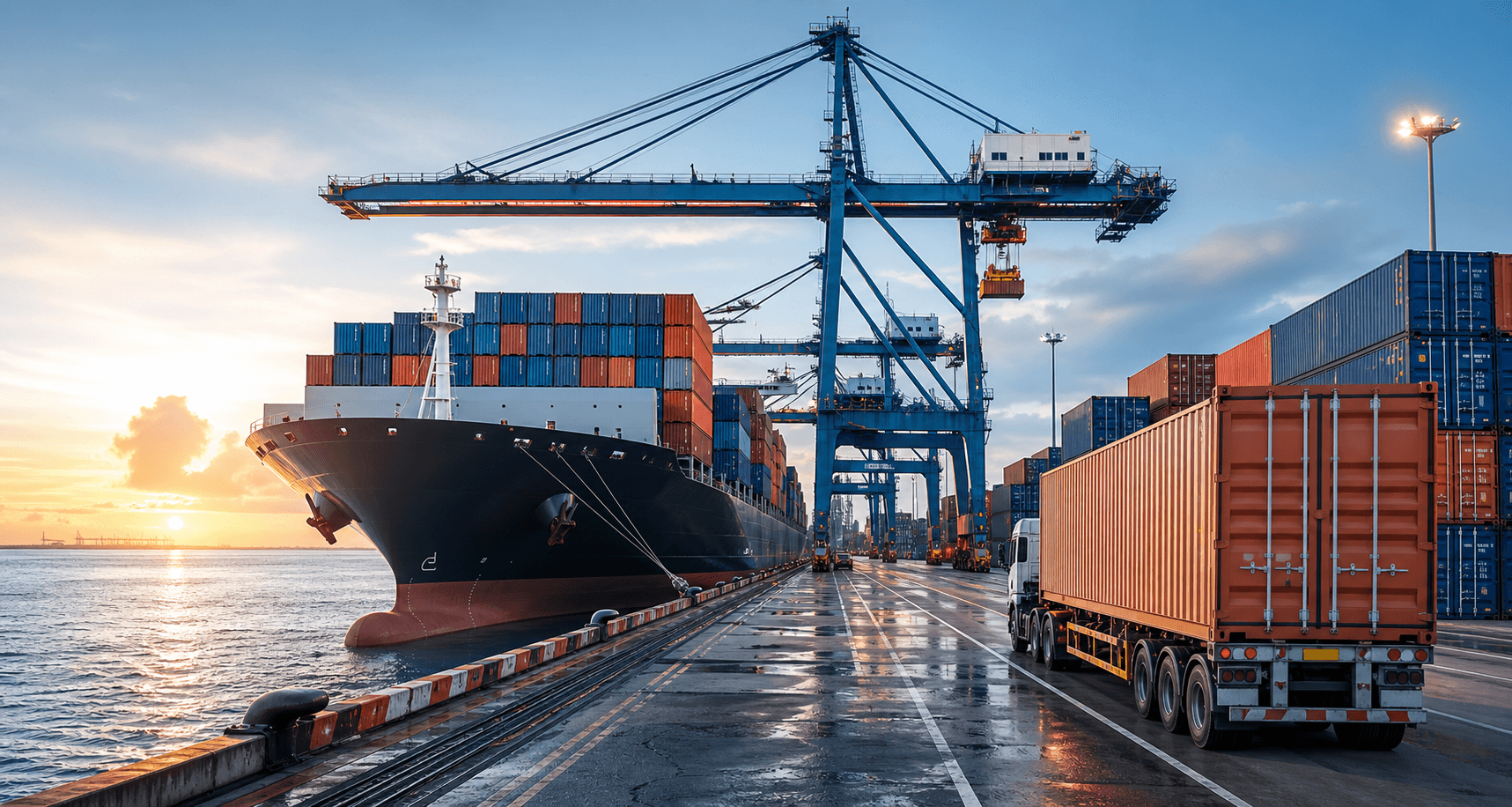
Incoterms® 2020 rules help a seller and buyer define delivery, the transfer of risk, transport-related costs, and selected customs and insurance responsibilities under a sales contract. They do not determine the sale price, payment method, transfer of ownership, product specifications, or every consequence of breach.
For exports from Vietnam, the named place or port matters as much as the three-letter rule. Write the term precisely—for example, **FCA seller's warehouse, Binh Duong, Vietnam, Incoterms® 2020**—and make sure the sales contract, booking instructions, and quotation use the same scope.
Quick comparison
| Rule | Suitable transport | Delivery and risk transfer | Main carriage | Export clearance | Seller-provided cargo insurance | | --- | --- | --- | --- | --- | --- | | EXW | Any mode | When goods are placed at the buyer's disposal at the named place, not loaded | Buyer | Buyer, with limited seller assistance | No | | FCA | Any mode, including container and multimodal shipments | At the agreed point when goods are delivered to the buyer's nominated carrier or person | Buyer | Seller | No | | FOB | Sea or inland waterway only | When goods are on board the buyer-nominated vessel at the named port of shipment | Buyer | Seller | No | | CIF | Sea or inland waterway only | When goods are on board the vessel at the port of shipment | Seller pays carriage to the named destination port | Seller | Yes, minimum cover unless the parties agree otherwise |
The place where costs are paid to and the point where risk transfers are not always the same. CIF is the clearest example: the seller pays freight and specified insurance to the named destination port, but risk transfers when the goods are placed on board at the port of shipment.
EXW: maximum buyer control, with practical export complications
Under EXW, the seller delivers by placing the goods at the buyer's disposal at the named place, normally a factory or warehouse. The seller does not have to load the collecting vehicle or clear the goods for export. The buyer arranges pickup, loading, export procedures, main carriage, insurance if desired, and import procedures.
That allocation can be difficult in an international shipment when the foreign buyer cannot practically complete Vietnamese export formalities or obtain local documents. ICC guidance notes that EXW is primarily suitable for domestic trade. If the seller will load the vehicle and complete export clearance, FCA at the seller's premises may describe the transaction more accurately.
FCA: often the practical choice for container exports
FCA can be used for road, air, rail, sea, or multimodal transport. The seller clears the goods for export and delivers them to the carrier or other person nominated by the buyer at the named place.
The exact delivery point changes the loading obligation. If delivery is at the seller's premises, the seller loads the goods onto the buyer's collecting vehicle. If delivery is at another place, such as a container terminal, the seller brings the goods there ready for unloading from the seller's vehicle.
FCA is often more suitable than FOB for containerized cargo because the container is commonly handed to a carrier or terminal before it is loaded on board the vessel. Incoterms® 2020 also allows the parties to agree that the buyer will instruct its carrier to issue an on-board bill of lading to the seller when documentary-credit arrangements require one.
FOB: risk transfers only when the goods are on board
FOB applies only to sea or inland waterway transport. The seller completes export clearance and delivers the goods by placing them on board the vessel nominated by the buyer at the named port of shipment. Risk transfers at that on-board point. The buyer arranges and pays for the main ocean carriage and decides whether to insure the cargo.
FOB can fit bulk or general cargo delivered directly on board. For container shipments handed over at a terminal before vessel loading, FCA usually gives the parties a delivery point that better matches operational custody.
CIF: seller pays freight and minimum insurance, but risk transfers at origin
CIF also applies only to sea or inland waterway transport. The seller clears the goods for export, places them on board, and contracts and pays for carriage to the named destination port. The seller must also obtain cargo insurance for the buyer's benefit. Under Incoterms® 2020, the default CIF obligation is minimum cover comparable to Institute Cargo Clauses (C), unless the parties agree on higher cover.
CIF does not mean that the seller keeps transit risk until arrival. Risk transfers to the buyer when the goods are on board at the port of shipment. Buyers should review the insured amount, exclusions, claims process, policy currency, and whether broader cover is appropriate for the commodity and route.
Which rule should you choose?
There is no universally best Incoterm. Match the rule to the actual handover point, transport mode, customs capability, insurance needs, commercial leverage, and the party best placed to control freight.
- Consider FCA for many containerized or multimodal exports where the seller handles Vietnam export clearance.
- Consider FOB for suitable port-to-port bulk or general cargo delivered directly on board.
- Use EXW cautiously for cross-border sales when the buyer may struggle to arrange loading or export clearance in Vietnam.
- Consider CIF when the seller should arrange ocean freight and minimum cargo insurance, while both parties understand that risk transfers at origin.
Before choosing between a full container and consolidation, see FCL vs LCL shipping from Vietnam. For documentation and filing risks, review common export customs clearance mistakes in Vietnam.
Common mistakes to avoid
- Writing only “FOB Vietnam” or “CIF Italy” without a precise named port or place and the words “Incoterms® 2020.”
- Assuming the party that pays freight also carries the transit risk.
- Using FOB for container cargo without checking where the carrier actually takes custody.
- Assuming CIF provides comprehensive all-risks insurance.
- Using EXW while expecting the Vietnamese seller to load and complete export customs clearance.
- Treating Incoterms® rules as a complete sales contract or as rules governing title and payment.
- Failing to align the sales contract, commercial invoice, letter of credit, freight quotation, and booking instructions.
Get a shipment-specific scope from Vietnam
Booking by John can help overseas agents, importers, and exporters map the agreed Incoterm to pickup, export customs support, FCL or LCL booking, air or ocean freight, and destination requirements. Review our Freight Forwarder Vietnam service, then request a freight quote with the named Incoterm, cargo details, origin, destination, and ready date.
**Disclaimer:** This article is general operational information, not legal advice. Exact obligations and charges depend on the full sales contract, the precisely named place or port, carrier and terminal terms, applicable law, and local practice. Parties should confirm the agreed scope with qualified legal, customs, insurance, and logistics advisers where appropriate.
Website: bookingbyjohnly.com | Email: BookingbyJohnly@gmail.com | WhatsApp/Zalo: +84 352 193 969
Turn this guidance into a shipment check
Use the relevant commercial route or Vietnam handling service below, then send the real shipment details for a current option. Rates, space and transit plans are checked against the live requirement.
Official and editorial sources
Need an updated freight quote?
Send John your cargo details and preferred route. He will help check the best practical option.
Get a Freight Quote